
Categories
Rural Living/Land & AcreagePublished December 26, 2025
Rural Living in Northern Nevada: What to Know about Wells and Septic Systems

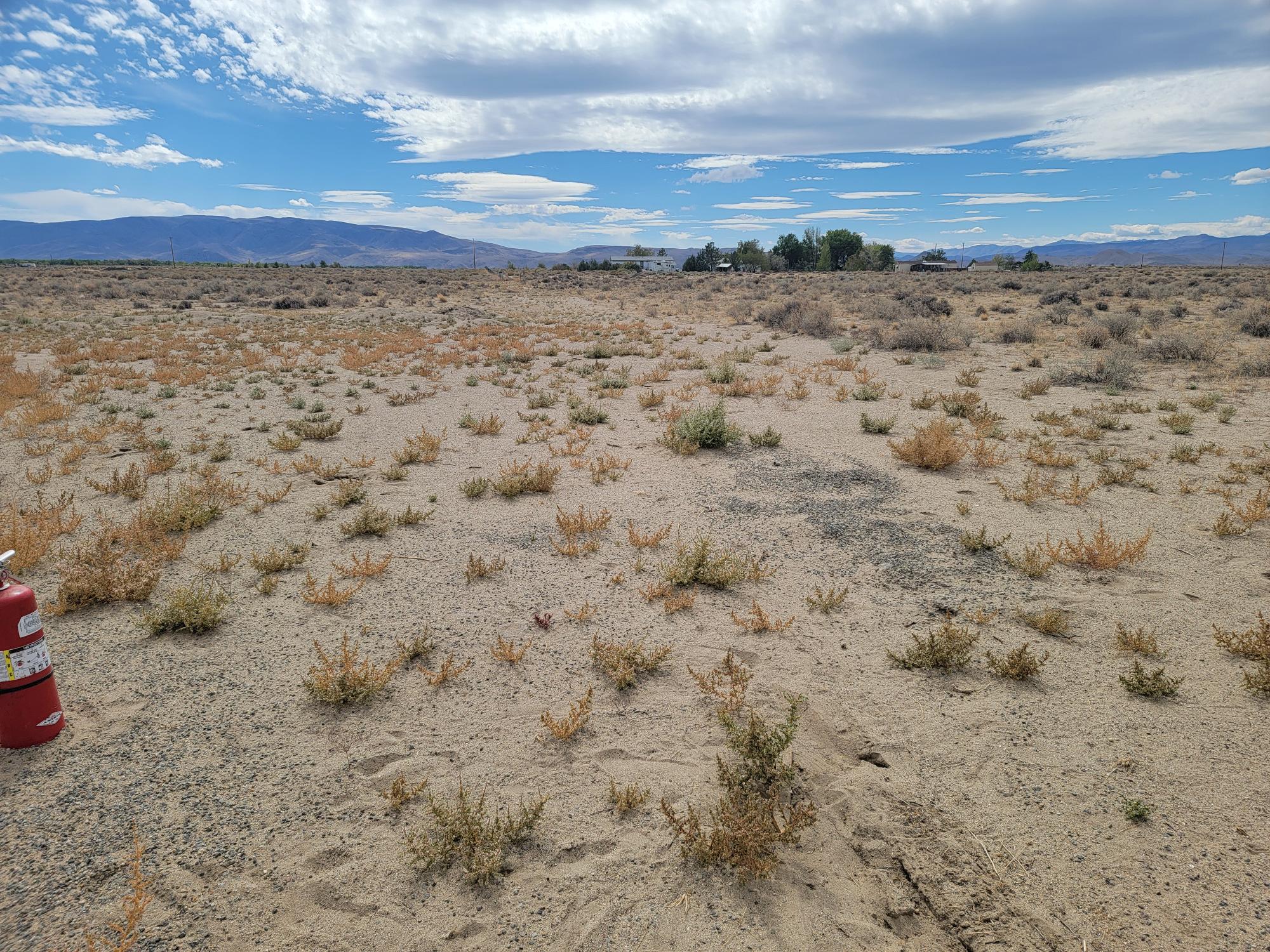
Because country living is awesome… but it helps to know where your water comes from.
There’s something really appealing about homes with land — space for a garden, animals, toys, or just the ability to breathe without hearing your neighbor’s playlist. But those properties often come with a well and septic system, and buyers usually have the same thought: “Wait… is that a big deal?” Let’s break it down in plain English.
If you’re looking at rural or semi-rural properties in Northern Nevada, there’s a good chance you’ll come across homes with a well and septic system. And if you’re used to city utilities (hello, public water and sewer), the idea of managing your own water and waste can feel a little intimidating at first.
But don’t worry — buying a home with a well and septic doesn’t have to be scary. It just means there are a few extra things to understand before you fall in love with the land, the views, and the idea of never paying a city water bill again.
Let’s break it down in real-life terms.
What Does “Well and Septic” Mean?
A well provides water to the property from a groundwater source, and a septic system handles wastewater (everything from sinks to showers to toilets) on-site.
In other words:
✅ You’re not connected to city water
✅ You’re not connected to city sewer
This is super common in rural areas around Reno, Sparks outskirts, Carson Valley, Spanish Springs, Cold Springs, Golden Valley, Virginia City Highlands, Dayton, Fallon, Fernley,Gardnerville, Silver Springs, Stagecoach, Yerington (basically anywhere you get more space and fewer neighbors).
The Pros of Buying a Home with a Well and Septic
Let’s start with the good stuff — because there’s a lot.
✅ 1) Lower monthly utility bills
You typically don’t pay for municipal water, and septic doesn’t come with a monthly sewer bill.
✅ 2) Independence
There’s something kind of satisfying about not relying on city systems. (Until the power goes out… but we’ll get to that.)
✅ 3) Great for land + animals + gardening
Properties with well and septic are often on larger lots — which means more room for:
- gardens
- fruit trees
- chickens (depending on zoning)
- workshops
- toys (trailers, RVs, boats)
- and general “I can finally breathe” space
The Cons (Or Better Said… The Things to Plan For)
Well and septic properties aren’t bad — they just come with responsibilities.
⚠️ 1) Maintenance is on you
With city utilities, you call the city when something goes wrong. With well and septic, you call a pro… and you pay the bill.
⚠️ 2) Inspections matter a LOT
This is not a “skip it to save money” situation. You want to know what you’re buying.
⚠️ 3) Repairs can be expensive
A well pump, pressure tank, or major septic repairs aren’t cheap. The upside is: if everything checks out and you maintain it, systems can last a long time.
What to Know About Wells (Before You Buy)
A home’s well can be perfectly fine… or it can be a headache waiting to happen. Here’s what matters:
✅ Well flow / production
This answers: How much water does the well produce per minute?
If the well is slow, it might still work — but you need to understand the limitations.
✅ Water quality
Even if the well produces plenty of water, the water quality can vary. Testing can identify:
- bacteria
- nitrates
- minerals (hard water)
- arsenic (a known concern in some areas)
- other contaminants
✅ Well equipment
Wells usually include:
- pump
- pressure tank
- controls
- sometimes filtration systems
And yes… these components wear out over time.
Local real-life tip
If a listing says “well maintained,” ask for records. If the seller has receipts and service history, that’s a great sign.
What to Know About Septic Systems (Before You Buy)
A septic system is basically your home’s private wastewater treatment. When it works, you forget about it. When it doesn’t… you definitely notice.
✅ Septic inspection
A septic inspection typically evaluates:
- the tank condition
- sludge levels
- whether it’s functioning properly
- signs of leaks or failure
- the drain field
✅ Pumping history
Most septic tanks should be pumped every 3–5 years, depending on household size and usage. If the seller hasn’t pumped it in 10 years, that’s… not ideal.
✅ Drain field health
The drain field is the most expensive part to replace, so you want to know if it’s functioning correctly.
Things that can damage a septic system
- flushing “flushable wipes” (they’re not)
- harsh chemicals
- too much water use at once
- heavy vehicles driving over the drain field
- planting trees too close to the drain field
Common Questions Buyers Ask (And They Should)
Here are questions I always recommend buyers ask when purchasing a home with a well and septic:
For the well
- How deep is the well?
- What is the well’s flow rate?
- Has the water been tested recently?
- Has the pump or pressure tank been replaced?
- Are there filtration systems installed?
For the septic
- When was the septic last pumped?
Has the septic system ever had repairs? - Has it been inspected recently?
Where is the tank and drain field located?
Living with Well and Septic: What It’s Like Day-to-Day
Honestly? For most homeowners it’s pretty normal once you get used to it.
You’ll want to:
- spread out laundry loads (don’t do 8 loads in one day)
- use septic-safe products
- protect your drain field area
- keep an eye on water pressure changes (it can indicate pump issues)
And yes — wells usually need power
If the power goes out, you might lose water temporarily. Some homeowners choose to add:
- a generator
- a backup system
- or plan accordingly
Are Well and Septic Properties a Good Idea in Northern Nevada?
They can be a GREAT idea — especially if you want:
- more land
- privacy
- a rural lifestyle
- space for hobbies
- more control over your utilities
But you want to go in informed, and you want solid inspections so there are no surprises later.
Quick FAQ
Do I need a separate inspection for well and septic?
Often, yes. A standard home inspection doesn’t always include deep well/septic testing.
Can a well run dry?
It’s possible. That’s why well production and history are important.
How much does it cost to replace a septic system?
It varies widely depending on the type of system and the property — but it can be a significant expense, so inspections matter.
How do I take care of a septic system?
Pump it regularly, avoid harsh chemicals and wipes, and don’t overload the system with water all at once.
Final Thoughts
Buying a home with a well and septic system in Northern Nevada can be an amazing move — especially if you’re looking for more space, more freedom, and more of that “Nevada lifestyle.”
The key is simple: inspect, test, and understand what you’re buying.
If you ever want help reviewing a listing or understanding what well/septic details mean on a property you’re considering, I’m happy to walk you through it — no pressure, just information.
Looking for rural properties with a well and septic? Call me at 775-335-9962.
Next Up: Engineered Septic Tanks
or another way