

Categories
Rural Living/Land & AcreagePublished January 2, 2026
Engineered Septic Systems in Northern Nevada

What They Are, How They Work, and What Homeowners Should Know
If you’re looking at rural properties in Northern Nevada, you might see a listing that says “engineered septic system,” “alternative septic,” or “advanced treatment system.” If your first thought is, “Wait… what does that mean and is it a problem?” you’re not alone. The honest answer: an engineered septic system isn’t automatically a bad thing. Most of the time it simply means the property needed a more specialized system because the soil, slope, groundwater level, or local regulations didn’t allow a standard septic setup. This guide explains engineered systems in plain English—what they are, why they’re used, what inspections should include, and what to know before buying a home with one.
What Is an Engineered (Alternative) Septic System?
An engineered septic system is a septic system designed by an engineer to work on a specific lot that has conditions preventing a standard septic system from being approved. Those conditions can include soil that doesn’t drain well, high groundwater, steep slopes, limited lot size, proximity to wells or water sources, or local permit requirements. Instead of a basic septic design, engineered systems use additional components and treatment methods to safely process wastewater on a property where standard systems won’t work.
Why Are Engineered Septic Systems Common in Northern Nevada?
Northern Nevada properties vary a lot, and some areas have challenging soils or terrain. Engineered systems are often used on hillside lots, high desert areas with tricky soil, smaller parcels, places with groundwater considerations, or lots where a standard drain field isn’t possible. They’re common in rural and semi-rural communities because not every parcel has perfect conditions for a traditional septic setup.
Types of Engineered Septic Systems You’ll See
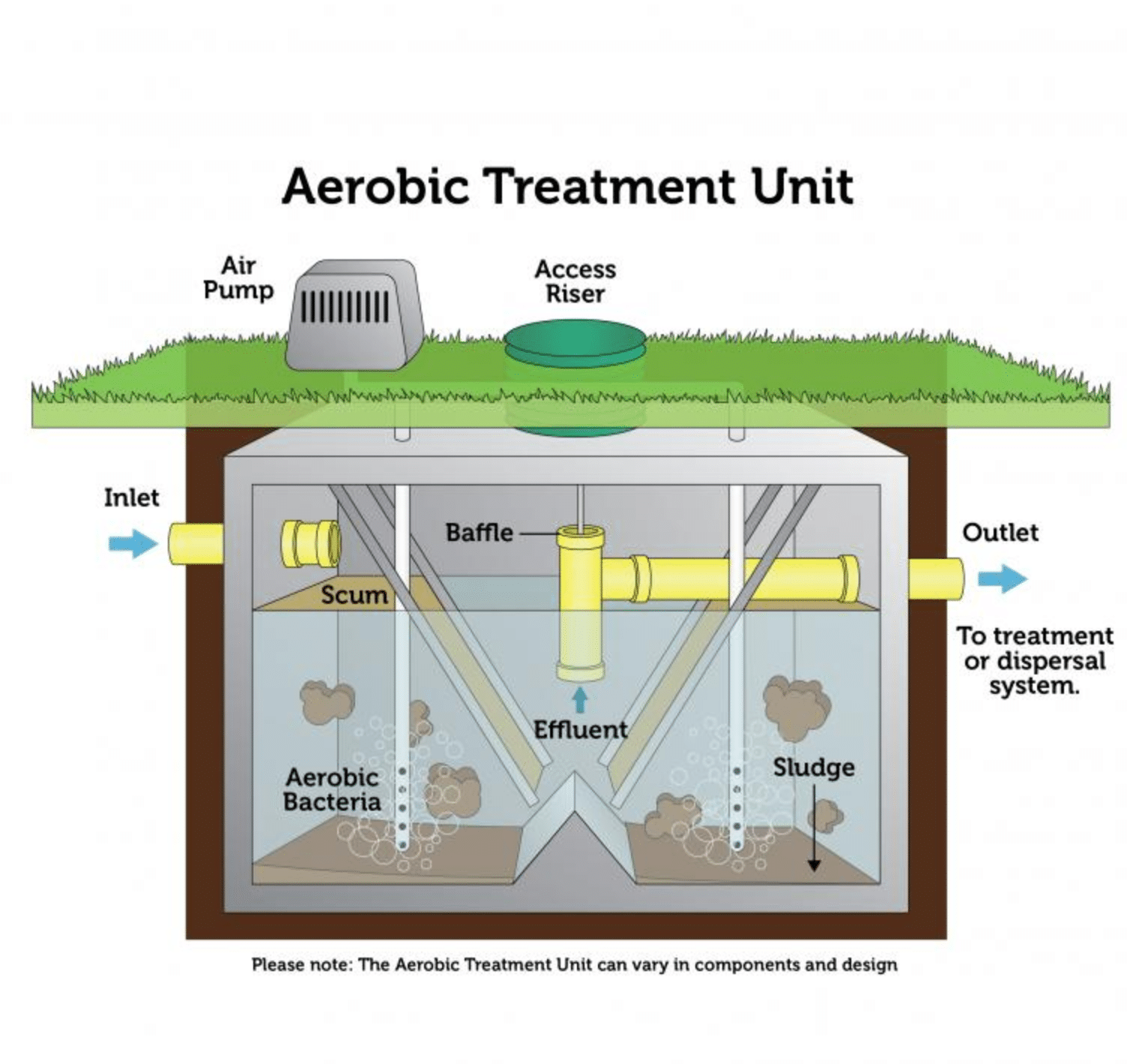
The names can sound intimidating, but the goal is always the same: treat wastewater safely for that specific lot. Common types include Aerobic Treatment Units (ATUs), which use oxygen and bacteria to break down waste and often require electricity and routine service; Pressure Distribution Systems, which use a pump to distribute wastewater evenly; Mound Systems, used when soil depth or drainage isn’t adequate and the drain field needs to be built above ground; Sand Filter Systems, which use sand as a filtration medium; and Drip Distribution Systems, which distribute treated wastewater through drip lines and are often used on tricky lots.
Are Engineered Septic Systems Bad?
Not inherently. They can work really well—sometimes even better than standard systems. The trade-off is usually more components, more maintenance, and a bigger need for good documentation and proper inspections. A well-maintained engineered septic system can be a total non-issue. A neglected one can get expensive.
What Buyers Should Ask Before Buying a Home with Engineered Septic
Before you commit, ask what type of system it is, when it was installed, and whether it was permitted and approved. Ask about maintenance requirements, whether a service contract is required, who services it now, how often it needs maintenance, and whether there are records. For inspections, make sure the inspector is experienced with engineered systems and confirm whether pumps, filters, control panels, and drain field performance will be evaluated. Also ask what parts have been replaced (pumps, filters, aerators), whether there are annual service costs, and whether the system relies on electricity.
Engineered Septic Inspections: What Should Be Included
A standard home inspection often doesn’t cover engineered septic systems in detail, so it’s smart to get a septic inspection from someone who knows these setups. A thorough inspection should look at tank condition, sludge levels, pump performance (if applicable), control panels or alarms, filters, drain field performance, signs of backups or failure, and any evidence that the system is treating and distributing wastewater properly.
Maintenance Basics for Homeowners
Owning an engineered septic system is manageable if you follow the maintenance schedule and protect the components. Keep records of service and pumping, use septic-safe products, avoid flushing wipes (even “flushable” ones), spread out heavy water use, protect the drain field from heavy vehicles, and know where all system components are located. If your system uses pumps or aeration, keep an eye on alarms, power interruptions, and schedule routine checks so small issues don’t become expensive ones.
Signs an Engineered Septic System Might Have Issues
Pay attention to slow drains throughout the home, odors near the drain field, wet spots or pooling water, gurgling, alarm lights or sounds, or unusually lush grass over the drain field. If any of these pop up, address it early—problems are typically easier and less costly when caught sooner.
Does Engineered Septic Affect Home Value?
Usually it’s neutral. What matters is whether the system works, whether it has been maintained, and whether there are clear records. Buyers get nervous when they don’t understand something, so good documentation and transparency go a long way.
Bottom Line
Engineered septic systems are common in Northern Nevada because not every lot is one-size-fits-all. If you understand what type of system it is, get the right inspection, follow maintenance requirements, and keep records, it can be a totally solid setup. If you’re buying a property with engineered septic, a little extra due diligence upfront can save you a lot of stress later.
Quick FAQ
Do engineered systems require more maintenance?
Often yes—especially if they use pumps, filters, or treatment units.
Are they more expensive to repair?
Sometimes, because parts can be specialized.
Do they require electricity?
Some do (ATUs, pressure distribution, drip systems). It depends on the type.
or another way